Criterion says Burnout is not forgotten… but that’s what worries me
As part of a recent interview with IGN, Criterion reflected on its 30-year journey, from Burnout and Need for Speed to helping revive Battlefield. The studio made it clear that Burnout remains an important part of its identity, but they also acknowledged that its future is now in Battlefield’s hands. Fittingly, Criterion’s new 30th anniversary logo proudly carries the tagline: “Criterion: A Battlefield Studio.”
On paper, it makes a lot of sense. Battlefield 6 has been one of EA’s biggest success stories in years. It revived a franchise that had been written off by many, delivered the biggest launch in Battlefield history, and reminded everyone why the series was once Call of Duty’s fiercest rival. As a Battlefield fan, I really couldn’t be happier. However, as a Burnout fan? The realization hurt a little.
Fatigue is not forgotten. It’s just waiting
The good news is that Criterion clearly hasn’t abandoned its roots. The developers have openly acknowledged Burnout’s legacy and how much the series shaped the studio as it is today. The bad news is… remembering a franchise is not the same as creating it.
“We just focus on Battlefield.” – Rebecka Coutaz, Vice President & GM Battlefield Studios Europe
In the future, Criterion is putting Battlefield first. That’s where the studio’s talent is going, that’s where EA’s investment is going, and judging by the success of Battlefield 6, that’s where they’re likely to stay. And honestly? It’s hard to argue with that. Battlefield no longer needs to be saved. It’s been saved.
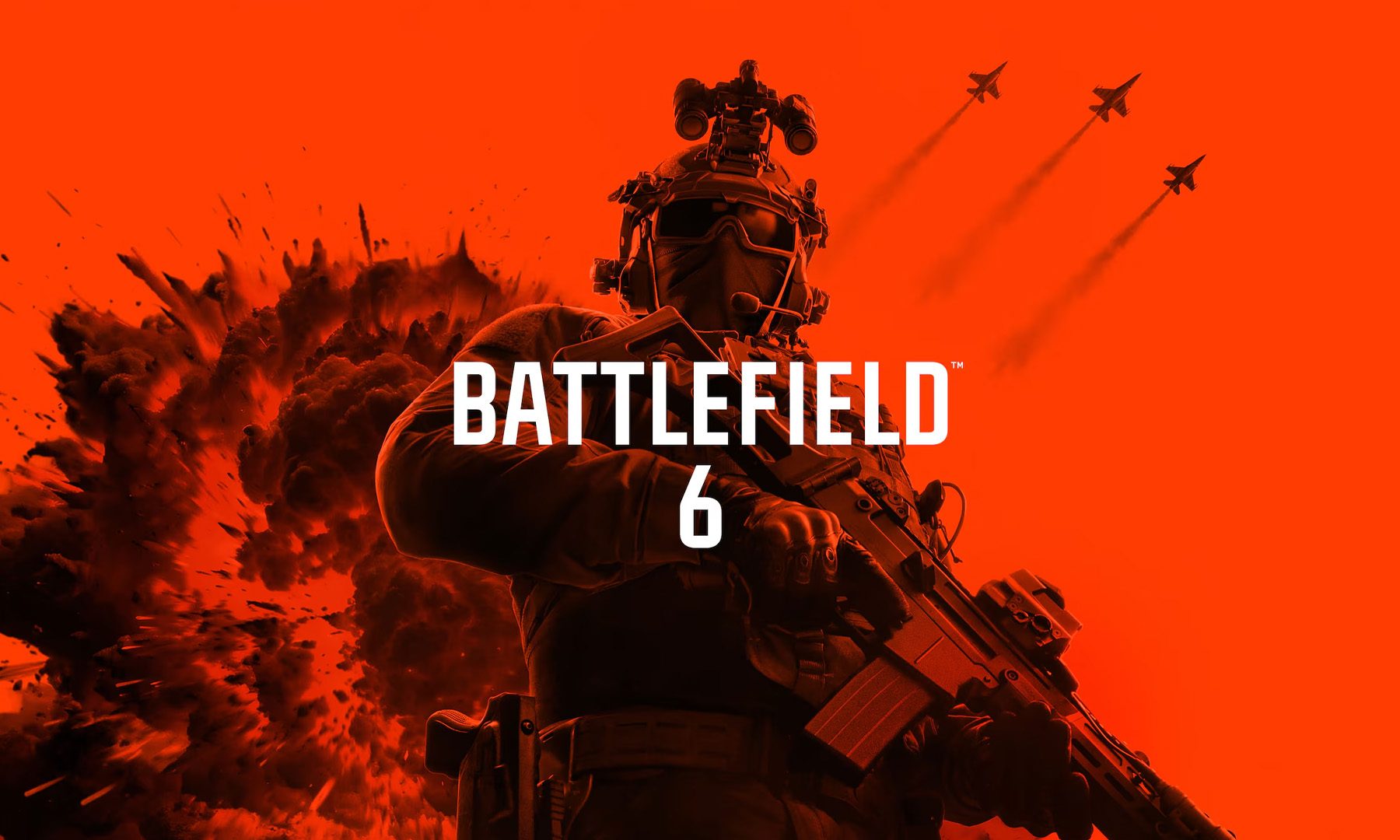
This latest game has proven that EA’s strategy works. Criterion’s expertise in vehicle handling, large-scale mayhem, and polished gameplay clearly helped make Battlefield a success again. From a business perspective, doubling down on that momentum might be the smartest decision EA could make. Unfortunately, this also means one less studio making arcade racing games.
Arcade racing quietly disappeared
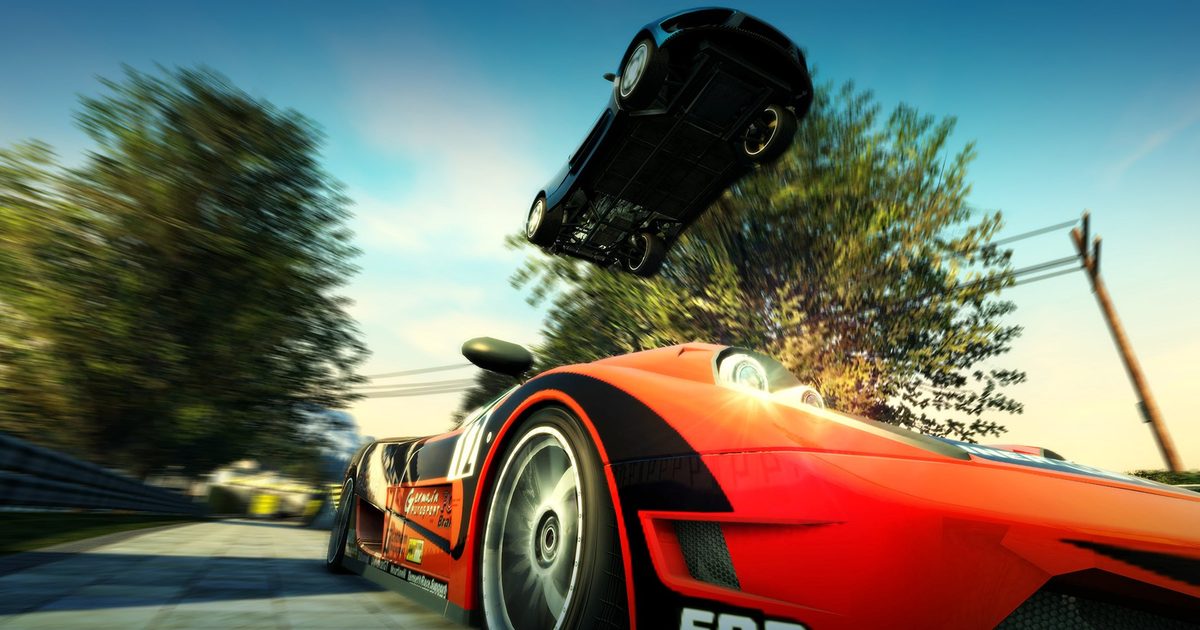
You see, Burnout never became legendary because it was realistic. It became legendary because it was so much fun. Flying through traffic at impossible speeds, launching opponents into barriers, watching successive crashes unfold in slow motion, treating car crashes as if they were an Olympic sport, and more. None of it tries to simulate real life. It just wants the players to have big smiles on their faces. That’s something the racing genre is slowly forgetting.
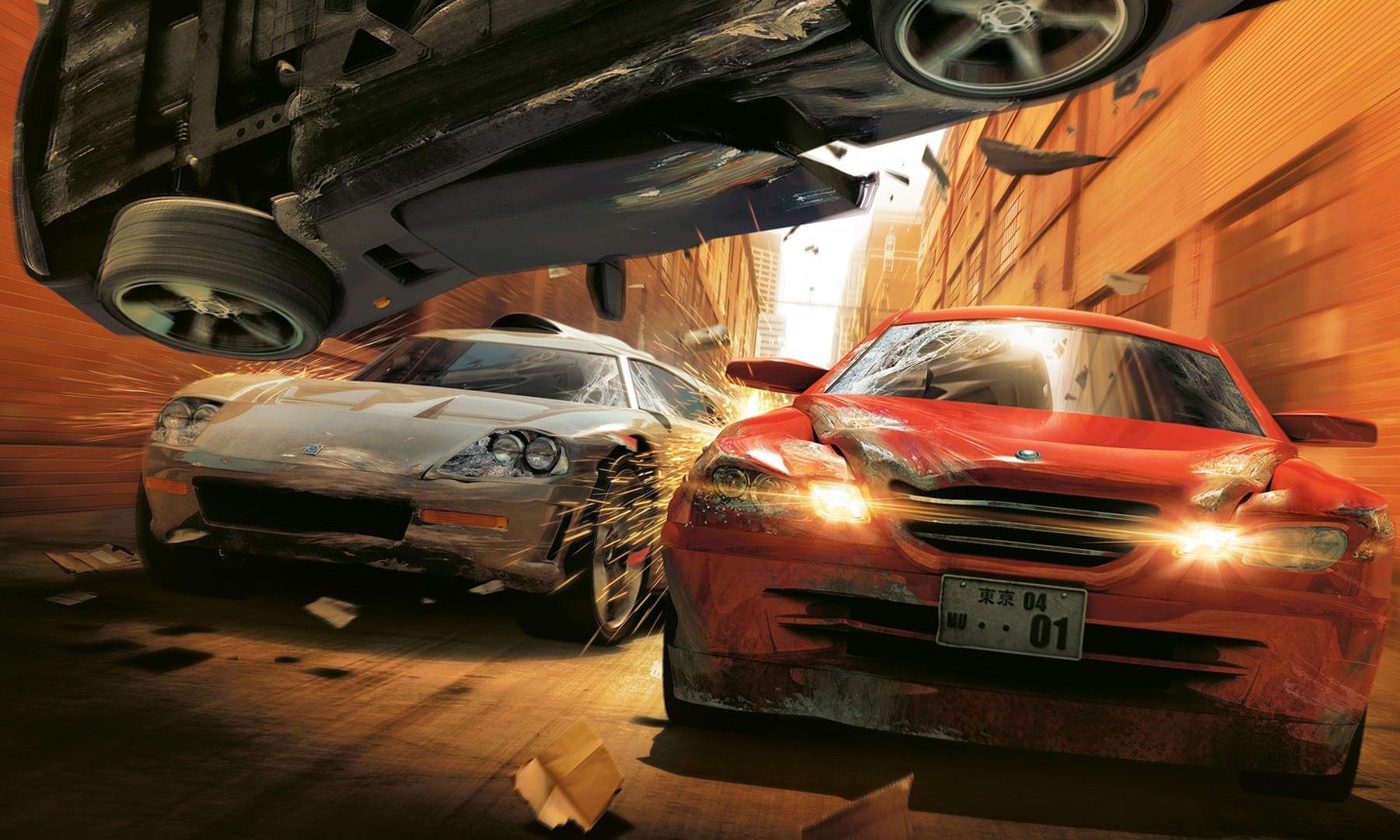
These days, almost every major racing game wants to feel authentic. The car behaves more realistically. Damage models become more detailed. Physics engines continue to evolve towards realism. Even the excellent Forza Horizon series, which arguably strikes the best balance of realism and arcade gameplay to date, is still built around licensed cars, believable handling, and a festival atmosphere. It’s a great franchise, but it’s not trying to be Burnout. And that’s okay. The problem is that no one else does either.
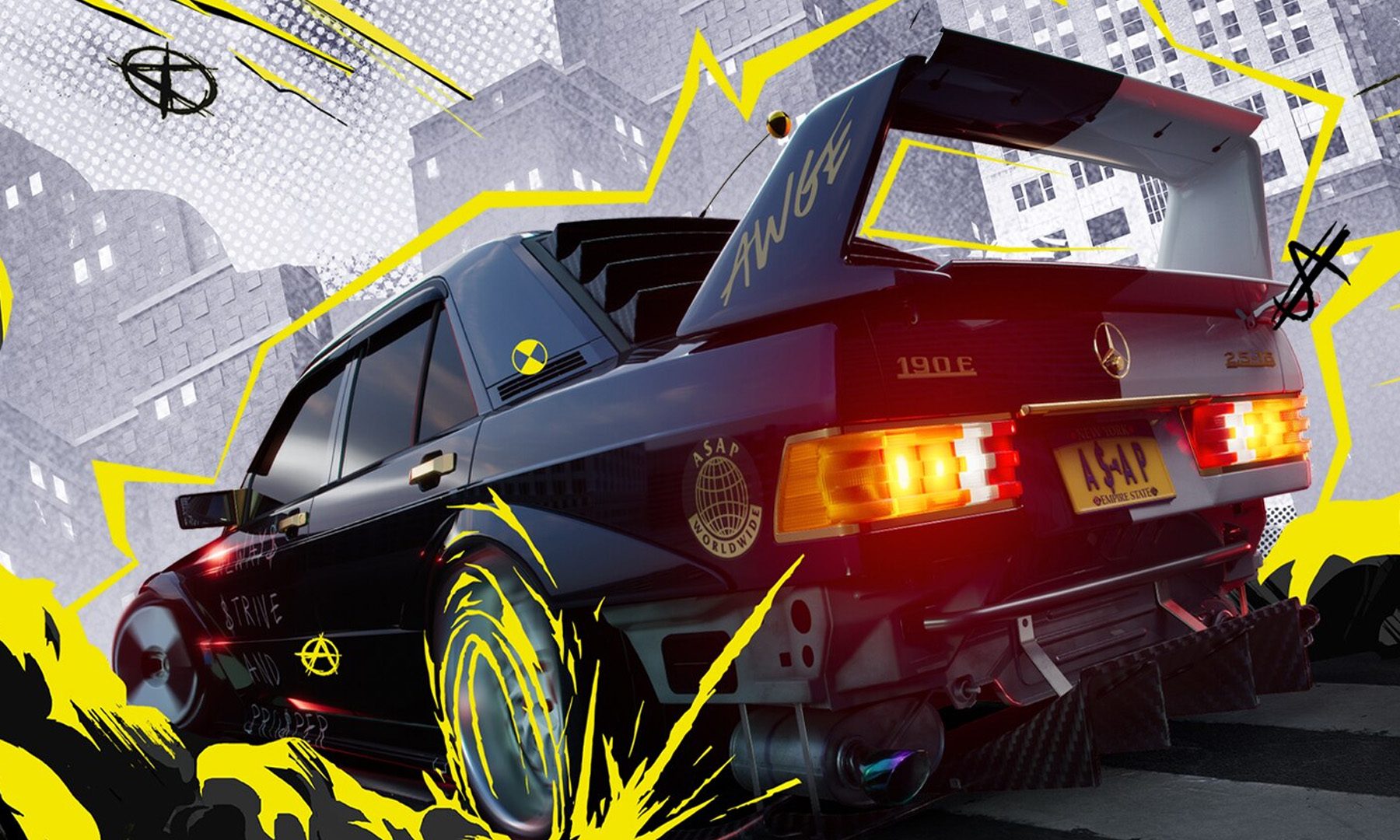
Need for Speed deserves credit for experimenting with Unbound. The bold cel-shaded art style is a welcome start, but beneath the visual flair, many fans still feel the series hasn’t quite recaptured the easy arcade magic of its golden era. Additionally, Burnout disappears. Motor Storm disappears. The blur disappears. Splits/Second disappears. Ridge Racer has become more than just a nostalgic memory. The fact is that without us realizing it, we are finding fewer and fewer games that simply embrace chaos for the sake of fun.
Players still like games with personality
Ironically, recent years have shown that players don’t always pursue realism. Games like Astro Bot, Balatro, and Clair Obscur: Expedition 33 became huge successes because they combined personality, creativity, and fun over photorealism or simulation.
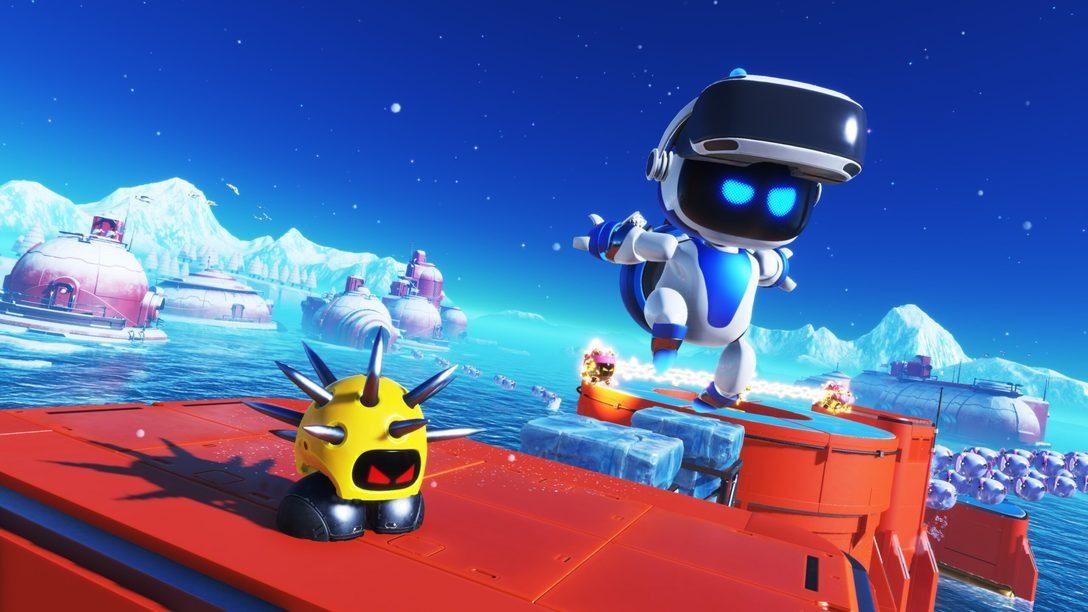
Burnout knew that long before the rest of the industry did. Nobody plays it because it accurately recreates the driving experience. They play it because launching opponents into oncoming traffic, triggering spectacular crashes, and facing absolute chaos never ceases to entertain.
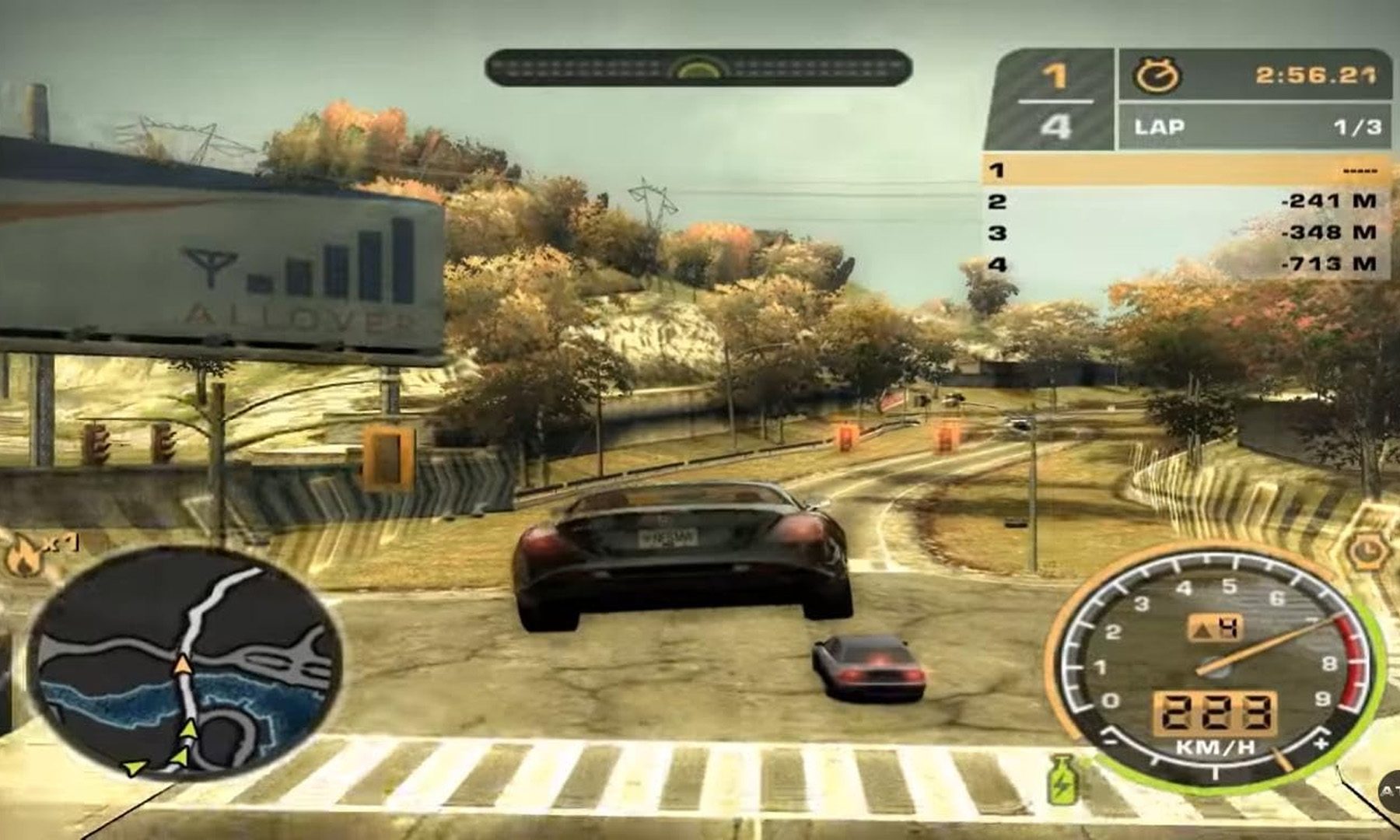
A similar thing also happened to Need for Speed: Underground 2 and Most Wanted (2005). Those games are not remembered for their realistic handling. Instead, they are remembered for their iconic soundtracks, over-the-top police chases, cheesy street racing stories, and gameplay that always prioritized excitement over authenticity. There’s a reason why people are still talking about it twenty years later.
EA probably made the right decision… and that’s what makes it bittersweet
To be clear, this is not a criticism of Battlefield. In fact, Battlefield 6 proves that EA made the right decision. Criterion has played a huge role in the franchise’s resurgence, and from a business standpoint, keeping one of its best studios focused on one of its biggest successes is hard to argue with.
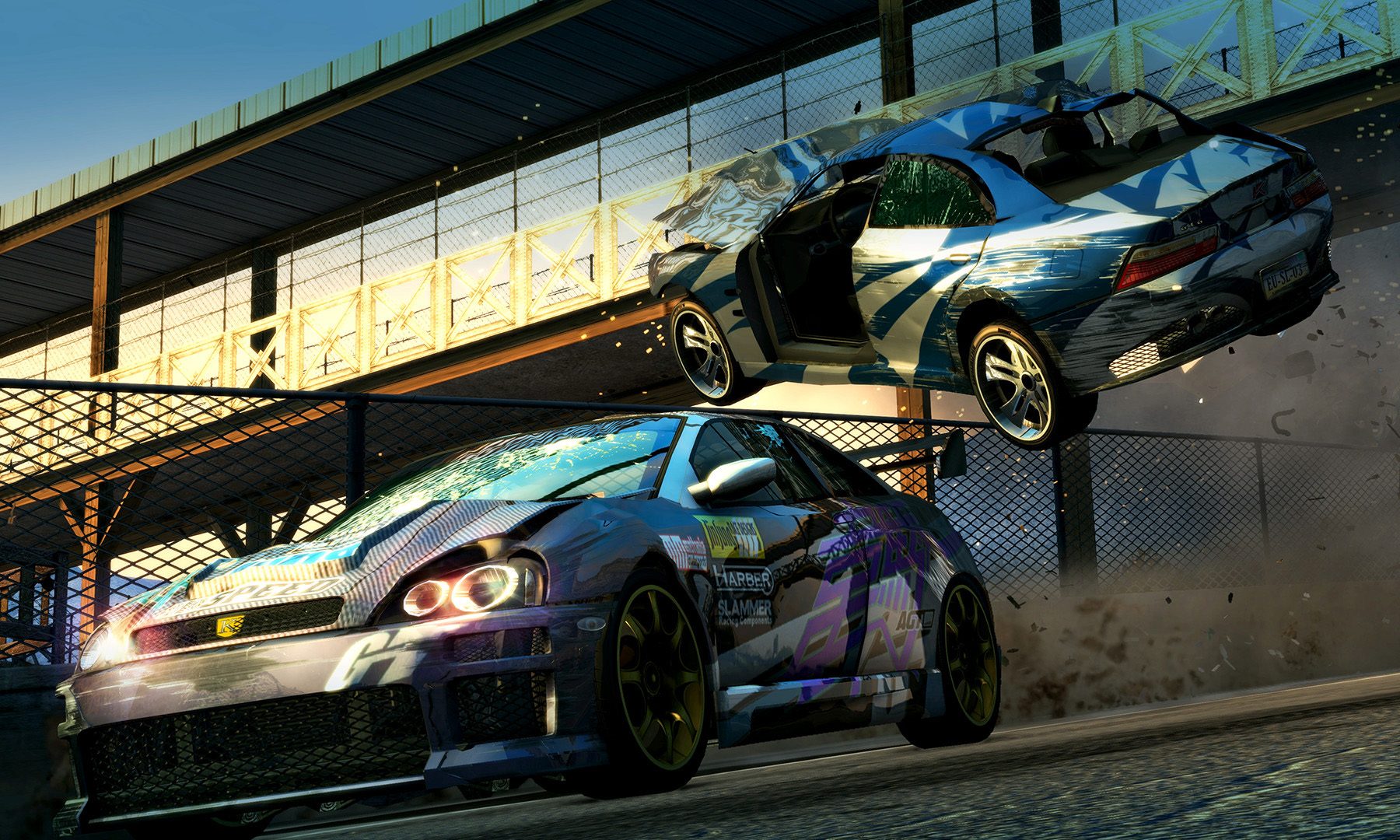
But the trade-offs are just as clear. Battlefield gained one of the best developers in the industry, while arcade racing lost one. Criterion confirms that Burnout is never forgotten, and I truly believe that. But after years of hearing “maybe someday,” it’s hard not to wonder if that day will ever come.
I hope I’m wrong. Because gaming doesn’t need another ultra-realistic racer, it needs a studio willing to remind us that fun comes first. Burnout doesn’t just give us fast cars; it gave us personality, chaos, and excitement that is surprisingly rare in modern racing games. And that’s a legacy worth carrying back.
PakarPBN
A Private Blog Network (PBN) is a collection of websites that are controlled by a single individual or organization and used primarily to build backlinks to a “money site” in order to influence its ranking in search engines such as Google. The core idea behind a PBN is based on the importance of backlinks in Google’s ranking algorithm. Since Google views backlinks as signals of authority and trust, some website owners attempt to artificially create these signals through a controlled network of sites.
In a typical PBN setup, the owner acquires expired or aged domains that already have existing authority, backlinks, and history. These domains are rebuilt with new content and hosted separately, often using different IP addresses, hosting providers, themes, and ownership details to make them appear unrelated. Within the content published on these sites, links are strategically placed that point to the main website the owner wants to rank higher. By doing this, the owner attempts to pass link equity (also known as “link juice”) from the PBN sites to the target website.
The purpose of a PBN is to give the impression that the target website is naturally earning links from multiple independent sources. If done effectively, this can temporarily improve keyword rankings, increase organic visibility, and drive more traffic from search results.

Related Posts
MLBB x Street Fighter Phase 1, Stop Doing Raw Pulls!
Here’s every game you can download on Xbox next week