Valve confirmed that Steam Deck 2 development is proceeding at full speed, but wouldn’t say anything else
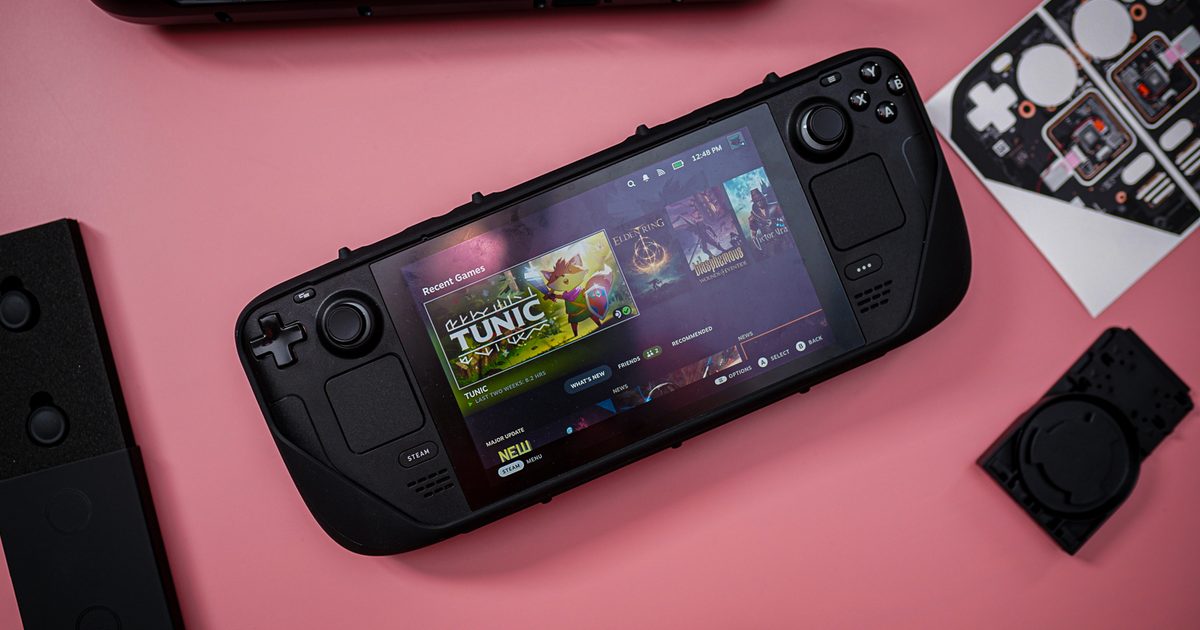
Valve has just provided another confirmation that Steam Deck 2 is on the way. But that’s all the company wanted to reveal.
In a recent interview with IGN, Valve confirmed that development of its next-generation handheld console is progressing at full speed. But it seems like they’re still not ready to show anything, as the Steam Deck’s successor is still being kept under wraps.
Why Steam Deck 2… doesn’t exist yet
Steam Deck 2 being in active development is no surprise. Valve had revealed that it had plans for a next-gen model some time ago, but the company was against the idea of annual hardware releases. Just like the game (Half-Life 3), Valve doesn’t want to make a sequel until there is a “generation leap”.
The company is clearly aiming to deliver a clear generational leap in terms of performance and efficiency. So if the hardware isn’t there yet, there’s no point in teasing something that’s still in shape.
Why are they waiting for the right moment
At the heart of this delay is silicon. Valve has talked about how its current chip options don’t live up to its hopes for next-generation handheld devices. Add to that the current component shortages and price increases, and launching this year really doesn’t make sense.

The company just launched a new Steam Controller, which is part of a new ecosystem Valve is trying to build. But other hardware, including Steam machines and the eagerly awaited Steam Frame headset, has been delayed.
Still a long journey?
Right now, it’s hard to say when we’ll get more concrete details about Steam Deck 2. All we know is that the handheld game is part of the roadmap. Valve seems willing to take its time, even as competitors push faster updates in the handheld gaming space. Whether that patience pays off will depend on how big the jump actually is.
PakarPBN
A Private Blog Network (PBN) is a collection of websites that are controlled by a single individual or organization and used primarily to build backlinks to a “money site” in order to influence its ranking in search engines such as Google. The core idea behind a PBN is based on the importance of backlinks in Google’s ranking algorithm. Since Google views backlinks as signals of authority and trust, some website owners attempt to artificially create these signals through a controlled network of sites.
In a typical PBN setup, the owner acquires expired or aged domains that already have existing authority, backlinks, and history. These domains are rebuilt with new content and hosted separately, often using different IP addresses, hosting providers, themes, and ownership details to make them appear unrelated. Within the content published on these sites, links are strategically placed that point to the main website the owner wants to rank higher. By doing this, the owner attempts to pass link equity (also known as “link juice”) from the PBN sites to the target website.
The purpose of a PBN is to give the impression that the target website is naturally earning links from multiple independent sources. If done effectively, this can temporarily improve keyword rankings, increase organic visibility, and drive more traffic from search results.